For centuries, dog collars existed for one reason only: control. They identified, restrained, and protected working animals in human environments. Their value was practical, not emotional.
Over time, however, the role of the dog itself changed. And with it, the meaning of the collar.
From Tool to Companion
In ancient and medieval societies, collars functioned as instruments. Leather bands, spikes, and metal fittings served clear purposes during hunting, guarding, or herding. At that time, dogs fulfilled tasks rather than sharing domestic life.
Gradually, dogs moved from working roles into households. As their presence changed, so did their significance. They became defined not only by function, but by proximity, loyalty, and shared daily life. As a result, the collar transitioned from restraint to identity.
Decoration Was Not the Turning Point
During the Victorian era, ornamentation appeared. Brass fittings, engraved nameplates, and decorative elements became common. Yet this phase did not mark the true transformation.
Decoration altered the appearance of collars. However, it did not redefine their meaning.
The deeper evolution began once dogs were no longer merely owned but regarded as companions.
The Modern Collar as a Statement of Responsibility
Today, a collar rests on a dog’s body every day. Unlike jewellery worn by humans, the wearer does not choose it. This reality introduces responsibility.
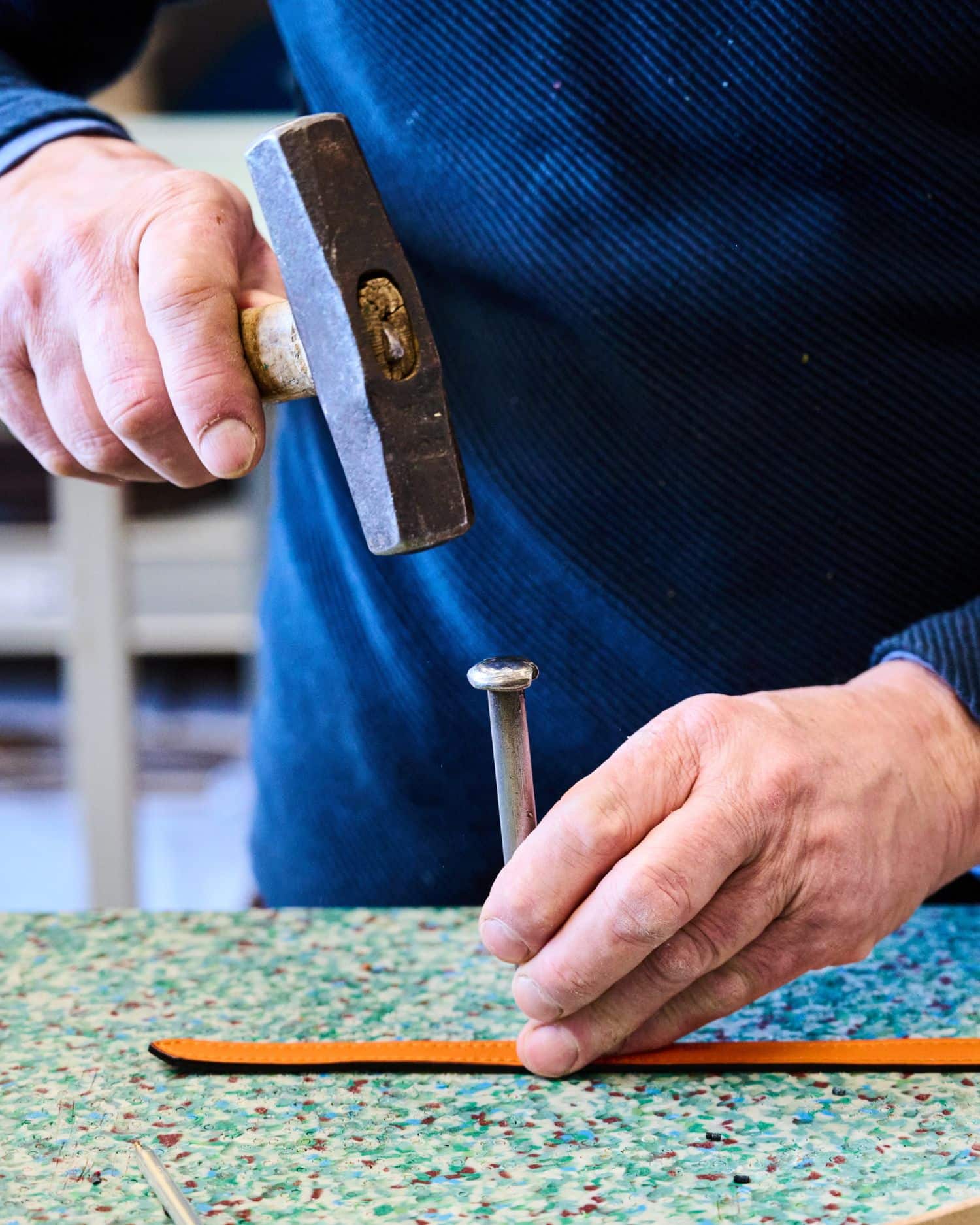
Modern collars no longer function as neutral objects. Their materials, weight, construction, and durability actively matter. A well-made collar must support movement, comfort, and long-term wear. Meaning now lies less in visibility and more in intention.
At this stage, craftsmanship, material integrity, and restraint naturally enter the conversation.
From Luxury to Meaning
Luxury, in this context, does not imply excess. Instead, it reflects precision. It represents the choice of enduring materials and the discipline to unite function with permanence.
The evolution of dog collars mirrors a broader cultural shift: from control to care, from ownership to responsibility, and from decoration to meaning.
Where Evolution Leads
The most evolved dog collars are not defined by trend or status. They are defined by thoughtful design and by the reasons for their existence.
In this sense, the collar becomes more than an accessory. It reflects the relationship between human and dog, shaped by respect, intention, and time.